North Tyneside Council has confirmed that High Borrans Outdoor Education Centre in the Lake District will shut its doors at the end of November 2026. The Council’s letter to Sir Alan Campbell MP cites a £3 million infrastructure bill, an ongoing subsidy, and falling attendance. We understand the financial pressure councils are under. But we don’t think the case for closure is as closed as it looks, and we think young people deserve better than a decision made without them.
Young people are the ones fighting for this centre – and that matters
Since the closure was announced, hundreds of people have signed a petition calling on the Council to reconsider, and current and former students, families and staff have been sharing what High Borrans meant to them, often describing it as the first time they were away from home, the place they found confidence they didn’t know they had. When young people organise, speak up and put their names to something because it changed their lives, that is exactly the kind of civic voice and social action we should be championing, not managing around. At UK Youth, we want to see that energy amplified, not absorbed into a petition page and forgotten.
The North East can’t afford to lose this capacity
High Borrans sits in Cumbria, but it exists for young people in the North East. Our work with the Adventures Away from Home programme has shown us first-hand how limited residential outdoor learning provision already is across the region, and how much difference it makes when barriers like cost are removed. Every centre that closes narrows the choice available to North East young people further. This isn’t a Lake District story. It’s a North East story about whether young people from Newcastle, North Shields and Tynemouth still get to have outdoor learning opportunities away from home.
Have all the alternatives been explored?
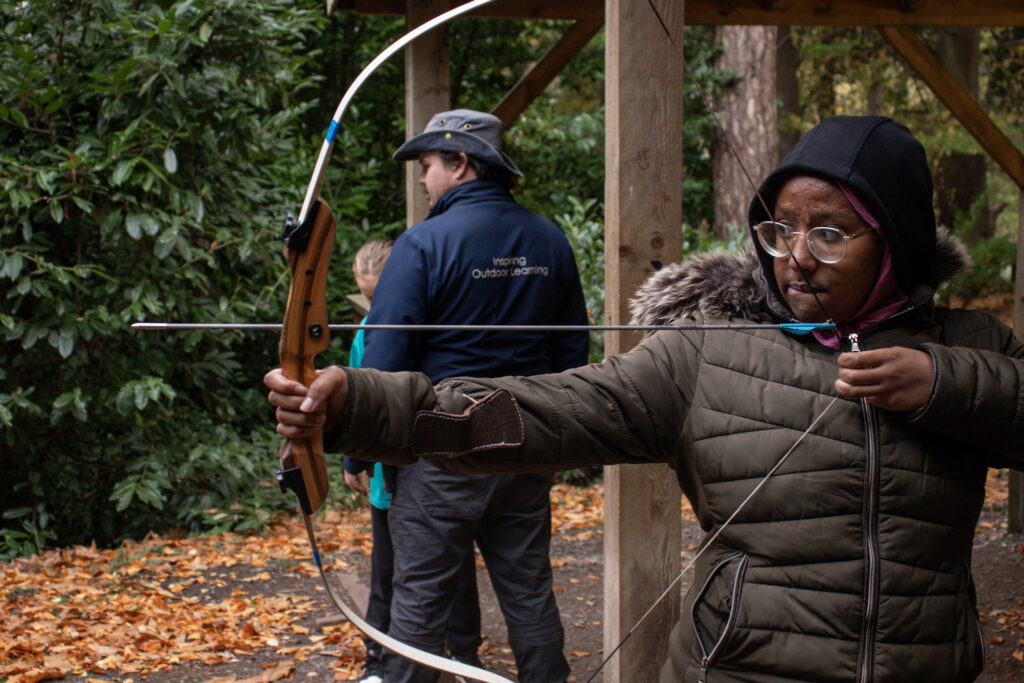
Nowhere in the Council’s public explanation is there a clear account of alternatives explored: a transfer to a charitable trust, a lease to an established outdoor provider, a shared-service model with neighbouring authorities, or a hybrid funding partnership.
The sector has plenty of precedent for exactly this kind of arrangement, and once a centre like this is lost, it is next to impossible to rebuild.
Before a 59-year-old asset is closed for good, young people and the public deserve to see that every option was genuinely tested, not just the option to subsidise it in-house or close it.
This runs against the direction of national policy
The Government’s new National Youth Strategy, Youth Matters, was co-produced with over 14,000 young people and commits to halving the participation gap in enriching activities between disadvantaged young people and their peers by 2035. Outdoor Learning is a key tool to improve young people outcomes through enriching activities; ie; physical activity to develop life skills, confidence and wellbeing. Closing a subsidised, local-authority-run centre that already serves disadvantaged young people runs directly counter to a strategy the Government has just published. You cannot expand access to enrichment nationally while quietly closing the infrastructure that delivers it.
This isn’t an isolated case
High Borrans is not a one-off. It sits inside a longer, quieter trend of local authority outdoor centres closing, being sold or transferred as councils face impossible budget choices between statutory services and everything else. Local government’s dilemma is real. But national government is asking schools to deliver more enrichment and more outdoor experience at exactly the moment local government capacity to provide it is shrinking. Somewhere between Whitehall’s ambition and the town hall’s balance sheet, young people are the ones losing out.
UK Youth stands with these young people
At UK Youth, we believe young people should be involved in decisions that affect them. We’ll continue to amplify the voices of the young people, former participants and staff who are speaking up for High Borrans, and we encourage other youth organisations, schools and the wider outdoor learning sector to do the same.
When young people care enough to organise around something that has shaped their lives, their experiences should form part of the evidence considered in any review.
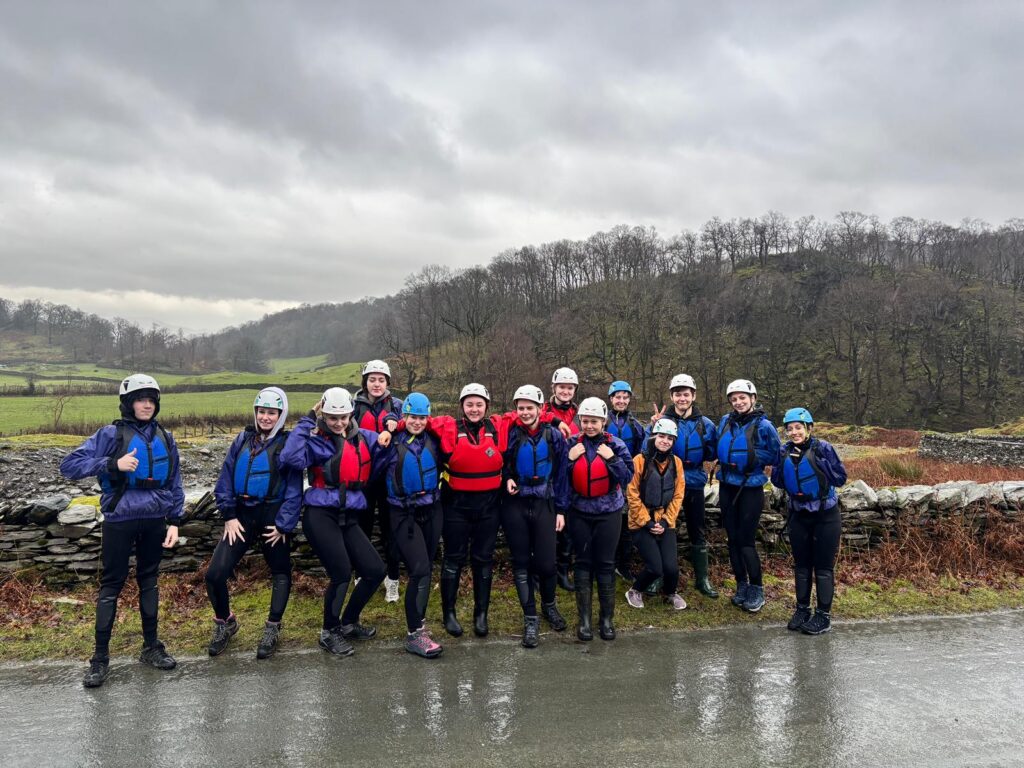
The evidence is clear
The Institute for Outdoor Learning and the Association of Heads of Outdoor Education Centres, who between them represent hundreds of providers and centre leaders across the UK, have long argued that residential outdoor learning delivers outcomes, in confidence, resilience, relationships and independence, that are genuinely hard to replicate elsewhere. Their evidence base, and their consistent advocacy through the All-Party Parliamentary Group for Outdoor Learning, is exactly what should be informing decisions like this one.
The conversation is growing
Tim Farron MP, Chair of the APPG for Outdoor Learning, has written directly on this closure, adding his voice to the growing list of people asking North Tyneside Council to pause and think again. When an MP who chairs the cross-party group dedicated to this issue steps in, it’s a sign that High Borrans has become a national test case, not just a local budget line.
High Borrans is a warning, not just a headline
Closing High Borrans may reduce costs in the short term, but it risks reducing opportunities for generations of young people to come.
We’re calling on North Tyneside Council to pause, consult meaningfully with young people and stakeholders, and fully explore partnership or leasing options before the centre closes in November. We also encourage everyone who values outdoor learning to stand alongside the young people already campaigning to protect this important place.
#HighBorrans #OutdoorLearning #YouthVoice #YouthWork #NationalYouthStrategy #IOL #AHOEC #UKYouth





31 March 2026
From Outdoor Instructor to Marathon Runner: Why Louise Is Running for UK Youth
ApprenticeshipsPage 1 of 26